
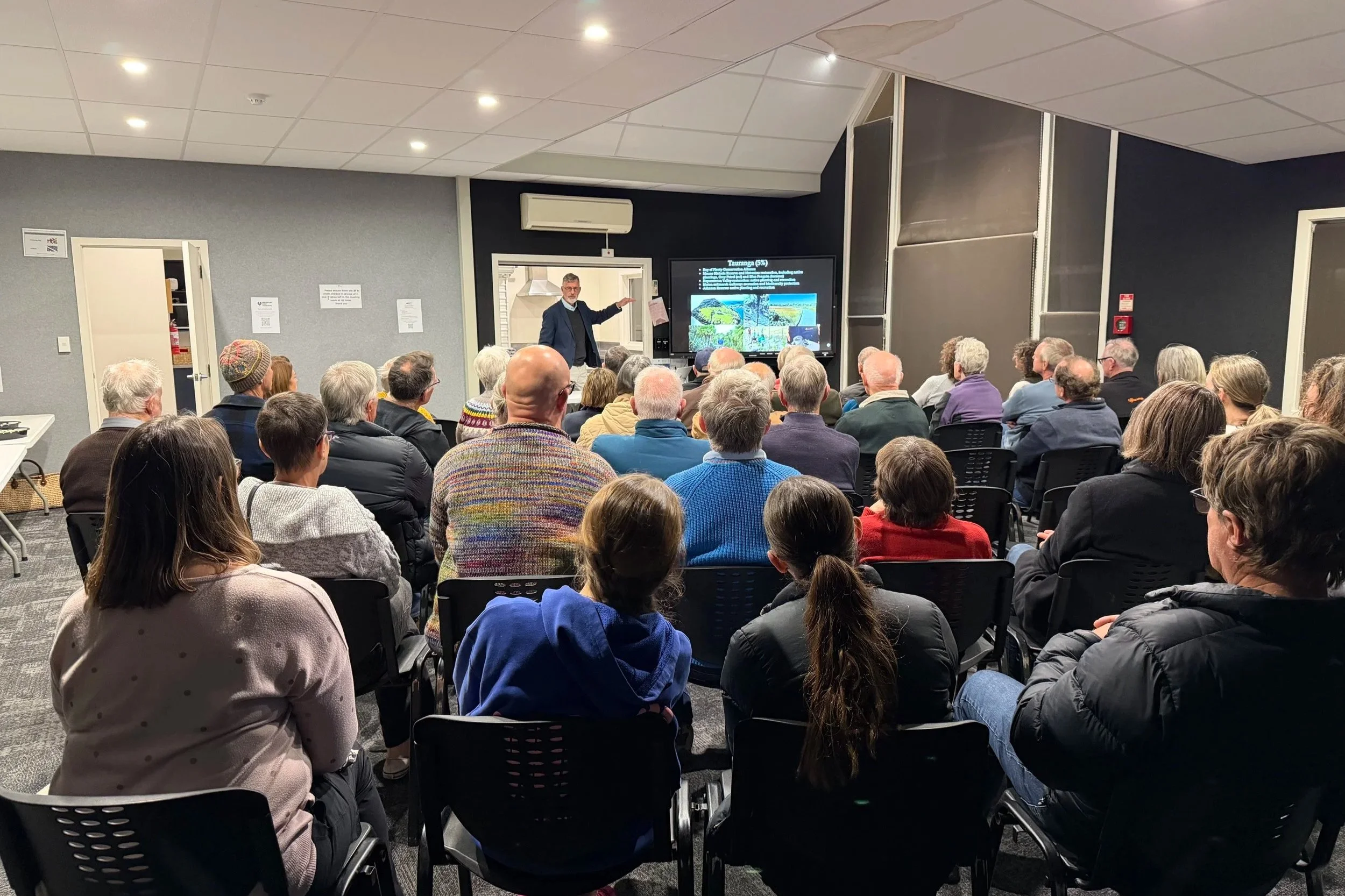
Bruce Clarkson: Rebuilding Nature in Tamahere
What makes native planting different from simply adding more green space? Professor Bruce Clarkson shares practical lessons about rebuilding native ecosystems, working with what’s already there, and thinking in decades.
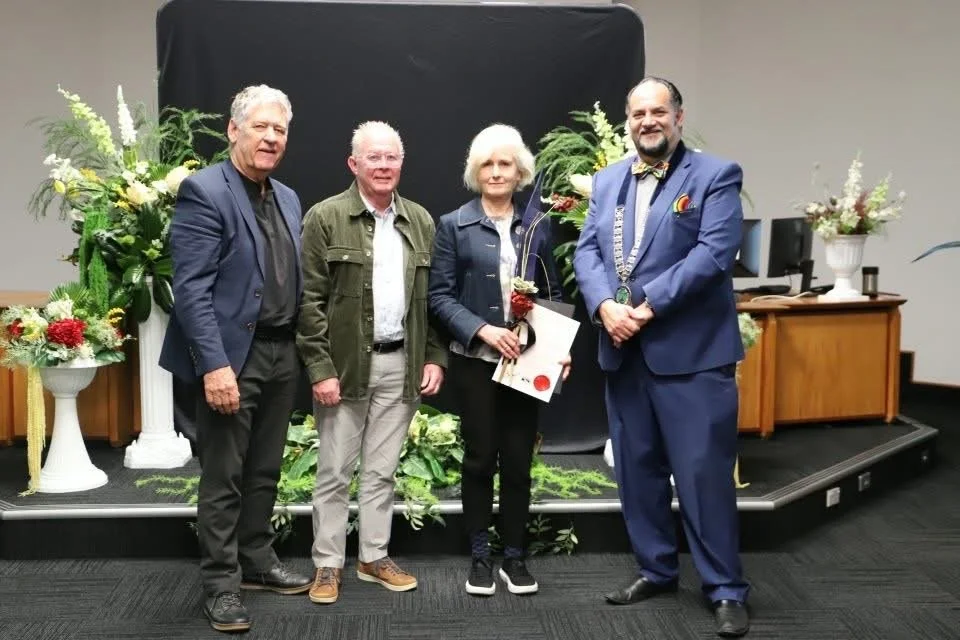
Recognition for Our Whole Community
Predator Free Tamahere has received a Waikato District Council Mayoral Award for Environment. This recognition belongs to our whole community, and we hope it encourages even more people to keep looking after the special place we all call home.
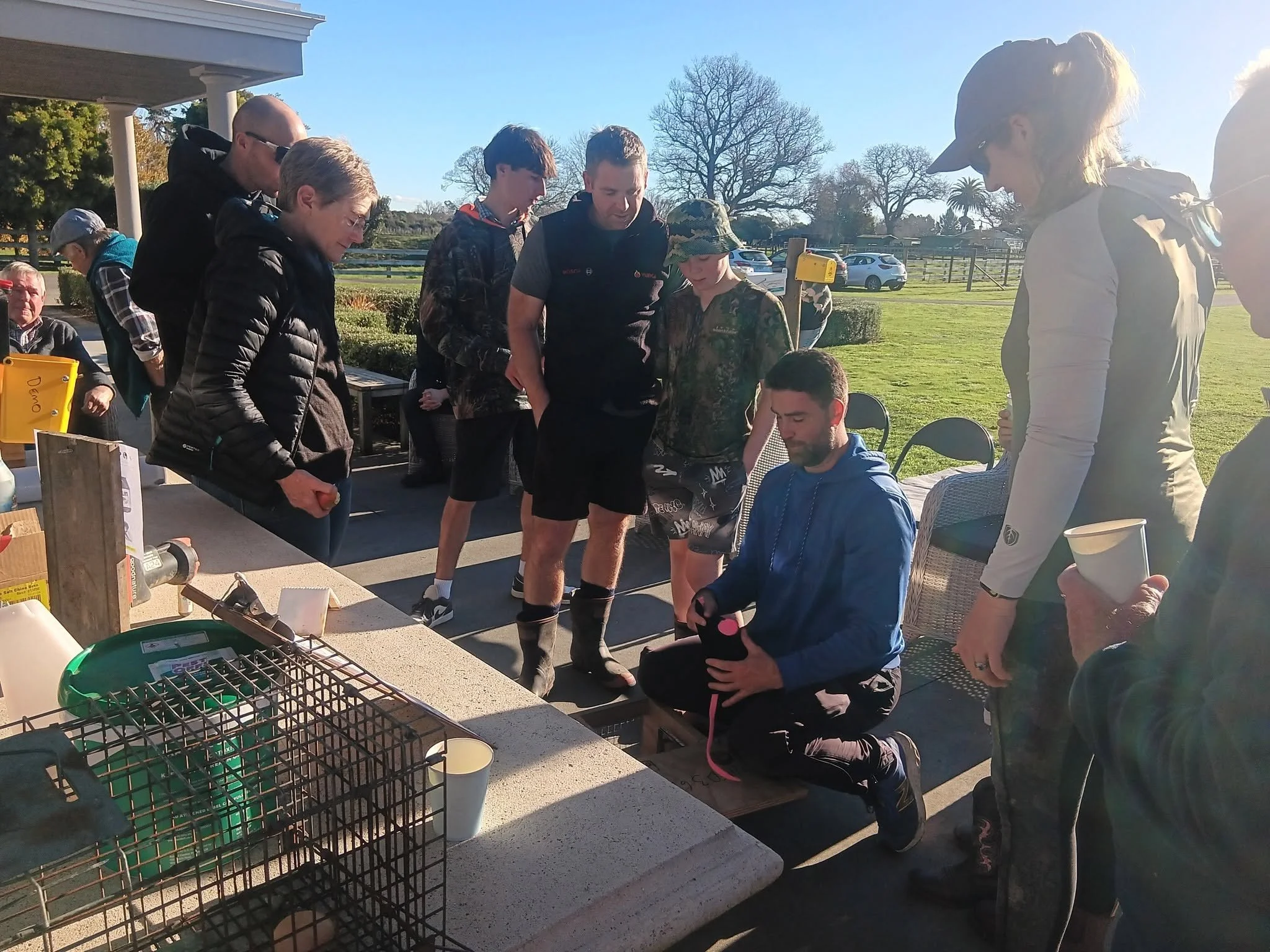
Predator Free Newstead
A new predator free community group is getting started just down the road in Newstead — and we were pleased to share some of what we’ve learned in Tamahere.
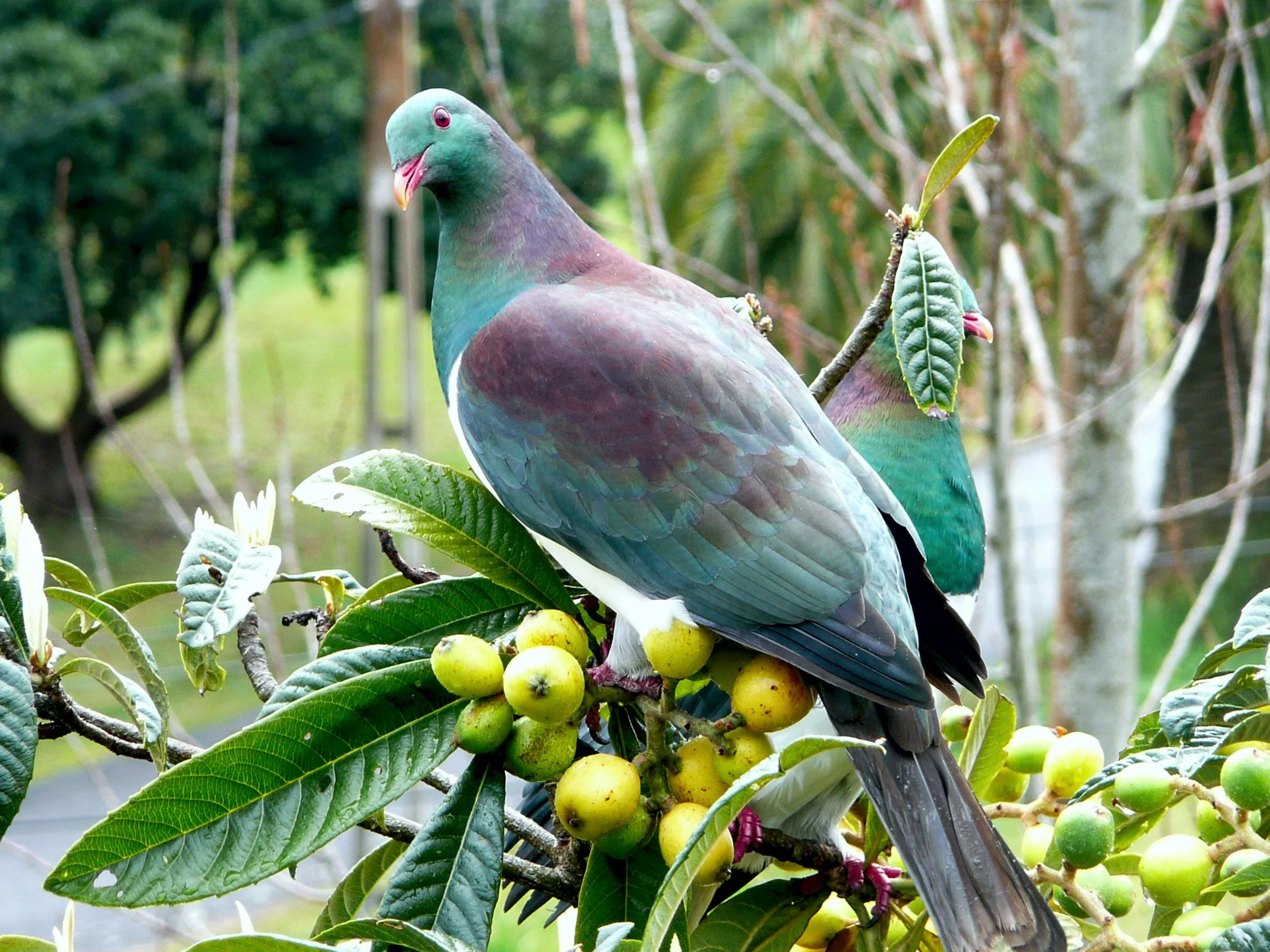
What Should I Plant for Kererū?
Someone recently asked what to plant to encourage kererū into their garden. The answer isn't one perfect tree – it's about providing food and habitat through the seasons.
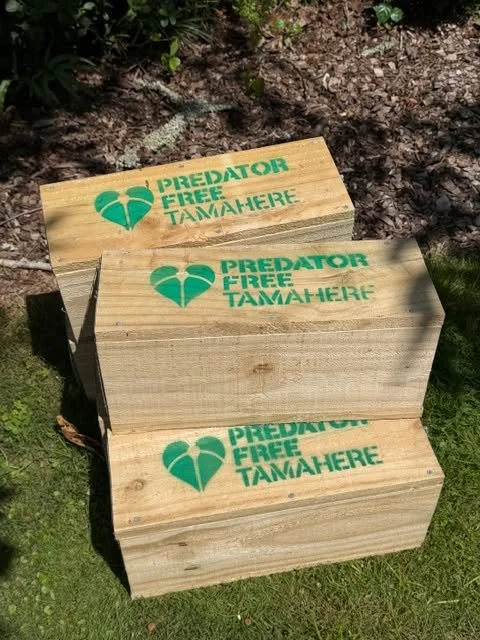
Winter Rat Control: Seeing More Rats This Year?
Many people around Tamahere are noticing more rats and mice this winter. Here are some practical tips for getting on top of them before spring arrives.
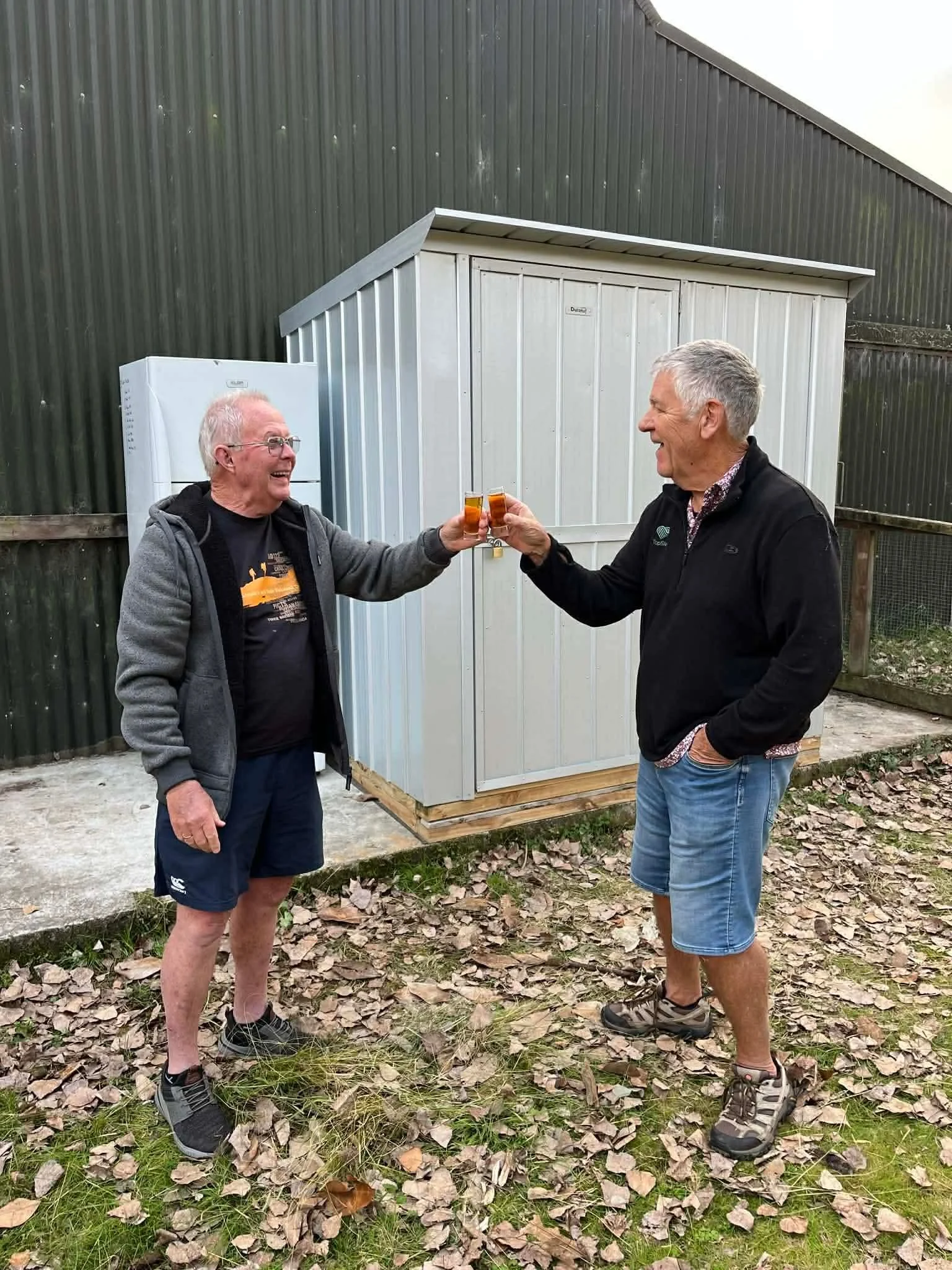
A New Home for Predator Free Tamahere Supplies
Thanks to generous local support, Predator Free Tamahere now has a dedicated storage shed for traps, bait and equipment.
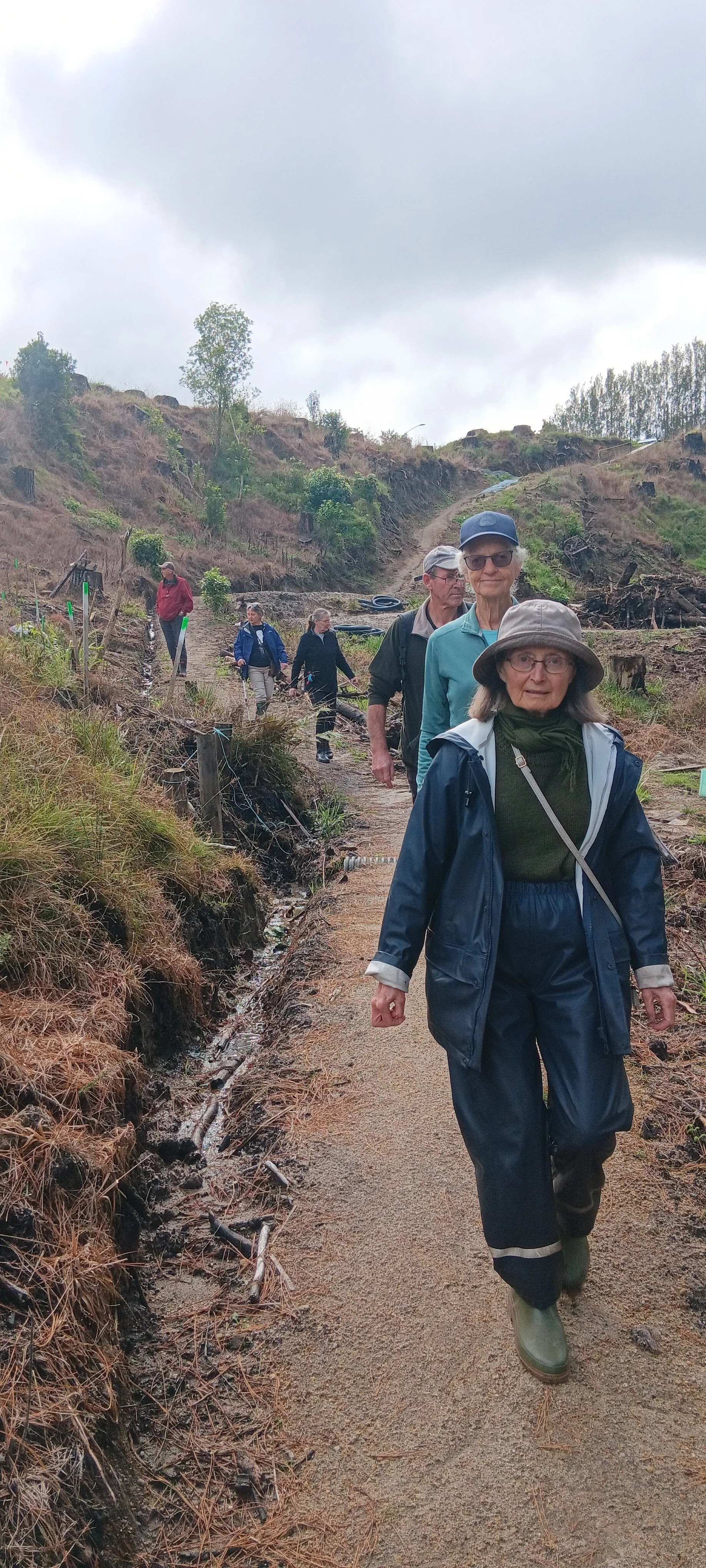
Tamahere Reserve Walk & Talk
Visitors from across the Waikato joined Predator Free Tamahere for a guided walk through the Tamahere Reserve
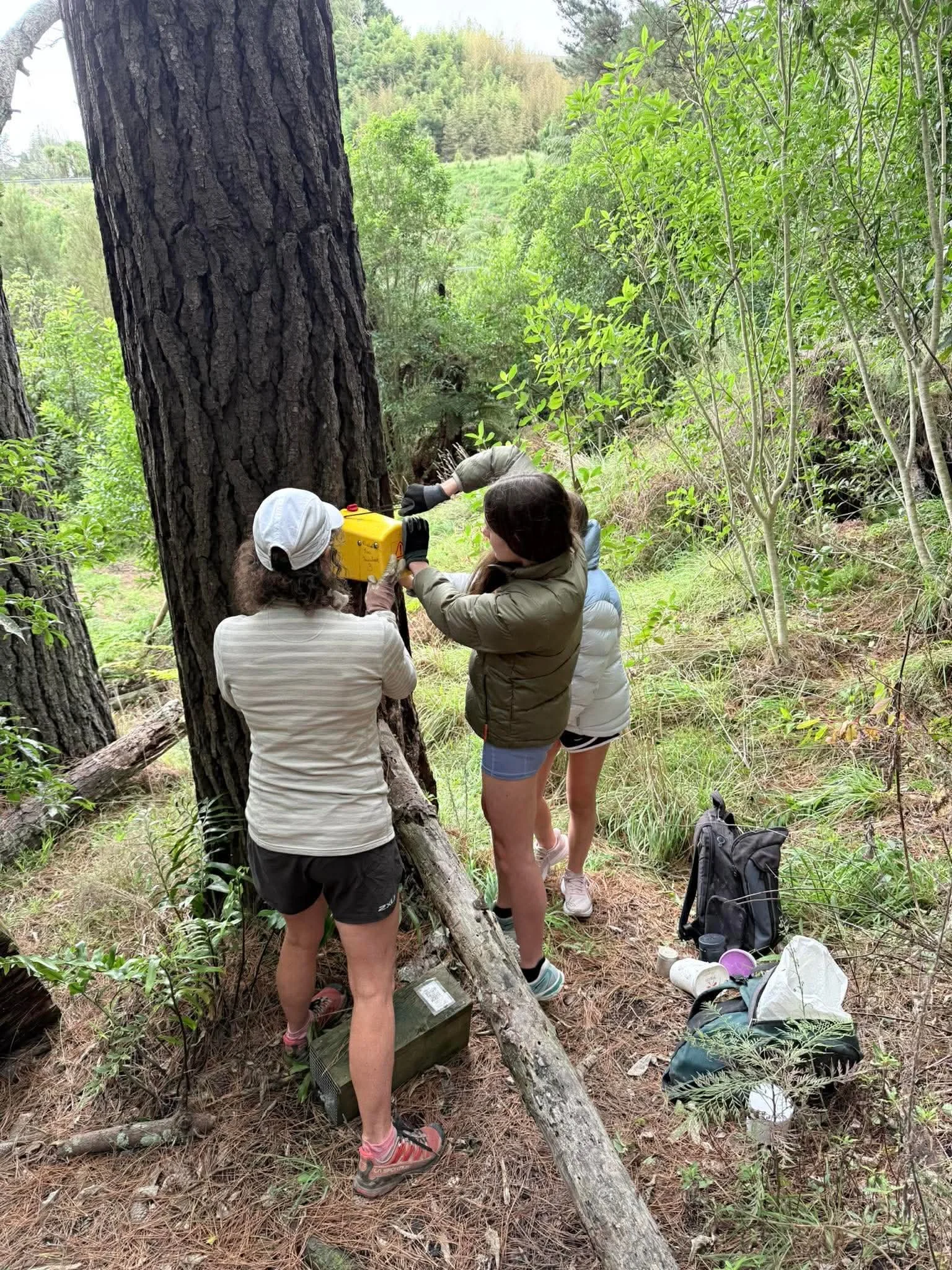
Young People Helping Protect Tamahere
Local Duke of Edinburgh's Hillary Award participants are learning trapping and conservation skills while helping protect native wildlife.
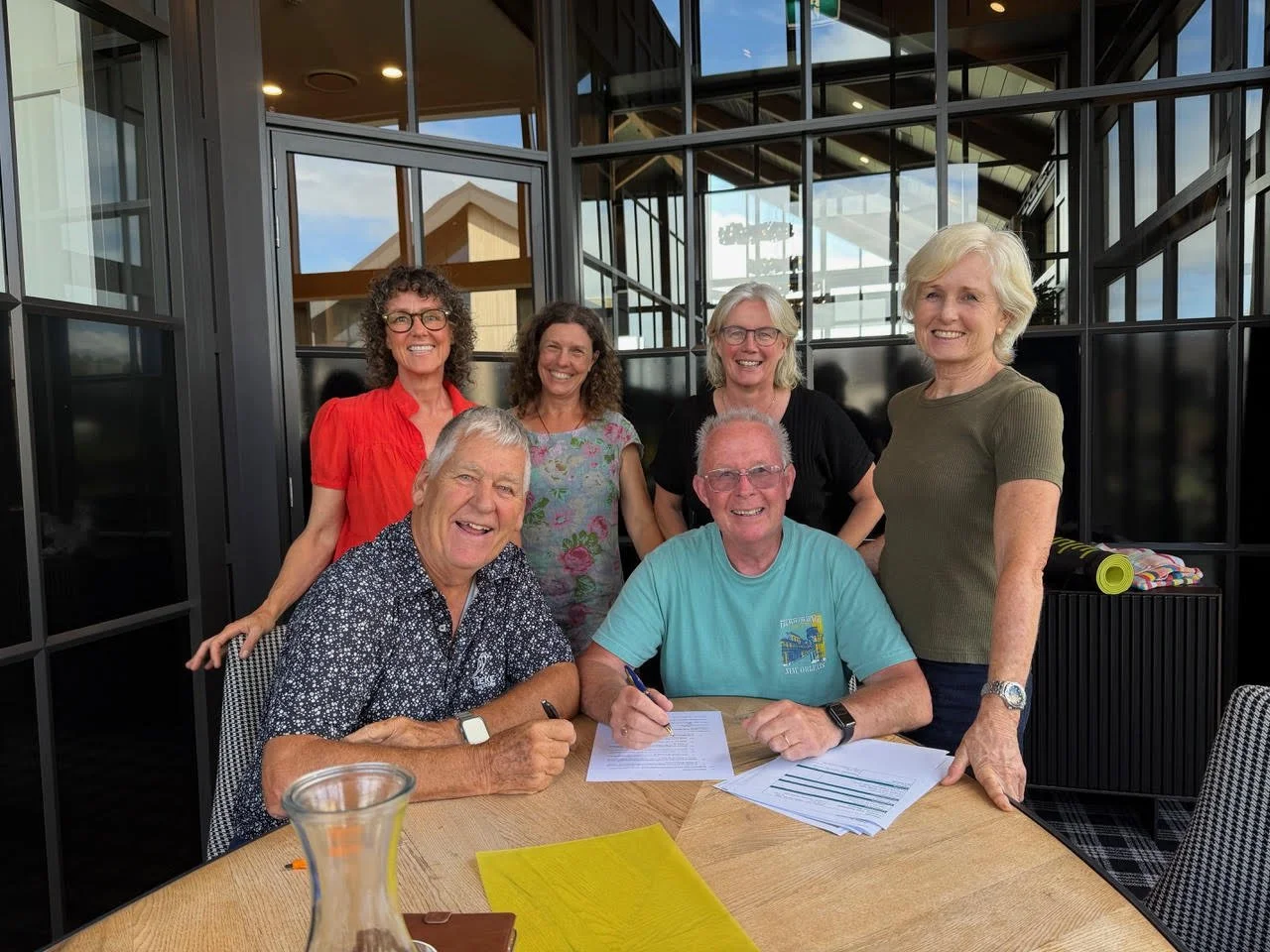
Predator Free Tamahere Becomes a Charitable Trust
Predator Free Tamahere has formally established the Predator Free Tamahere Conservation Trust — an important step that strengthens governance and supports the next phase of community-led predator control.
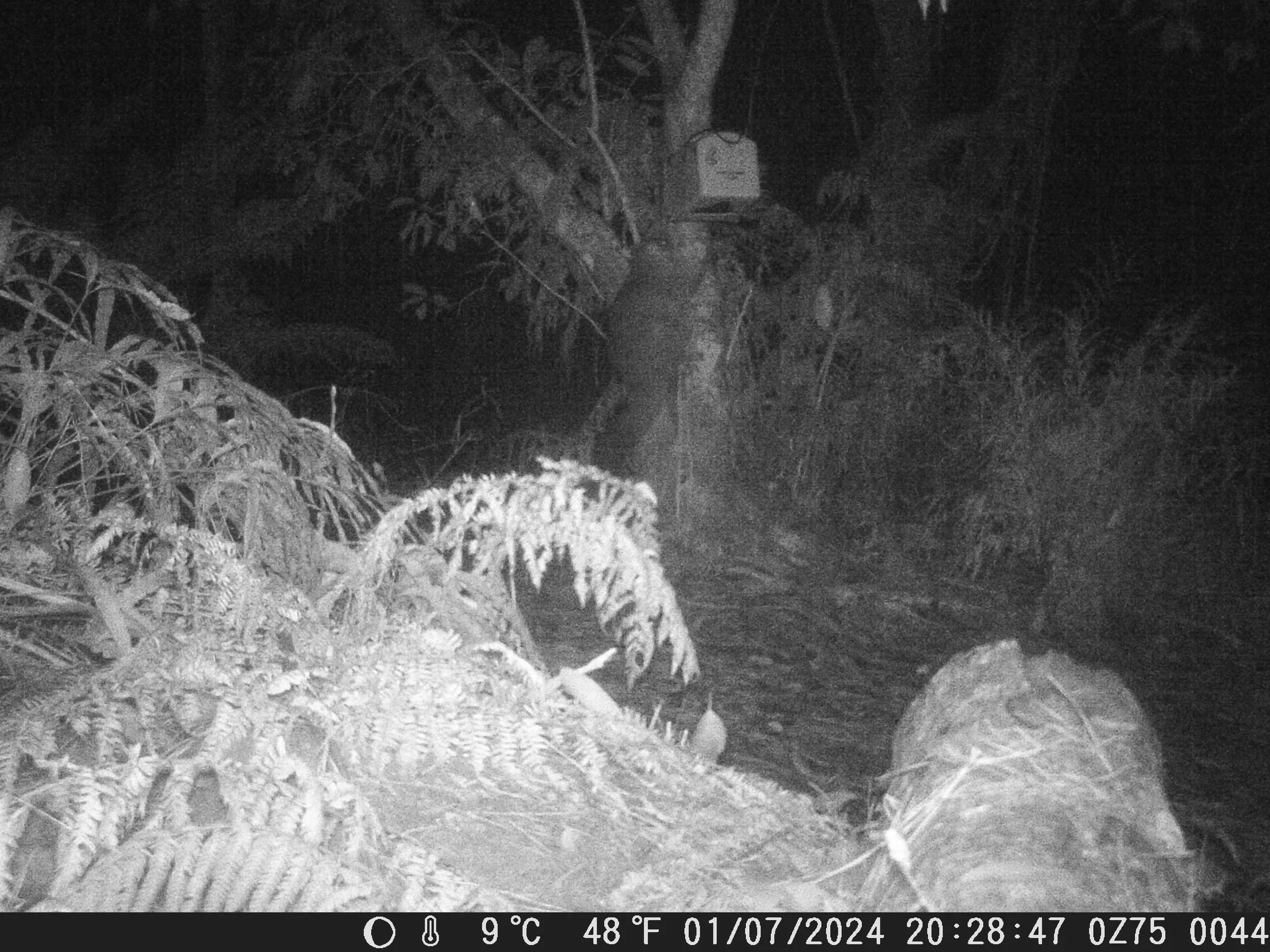
When Possums Won't Take the Bait
Possums walking straight past your traps? You're not alone. Some possums become surprisingly trap shy, but a few small changes to trap placement, bait and timing can make all the difference.
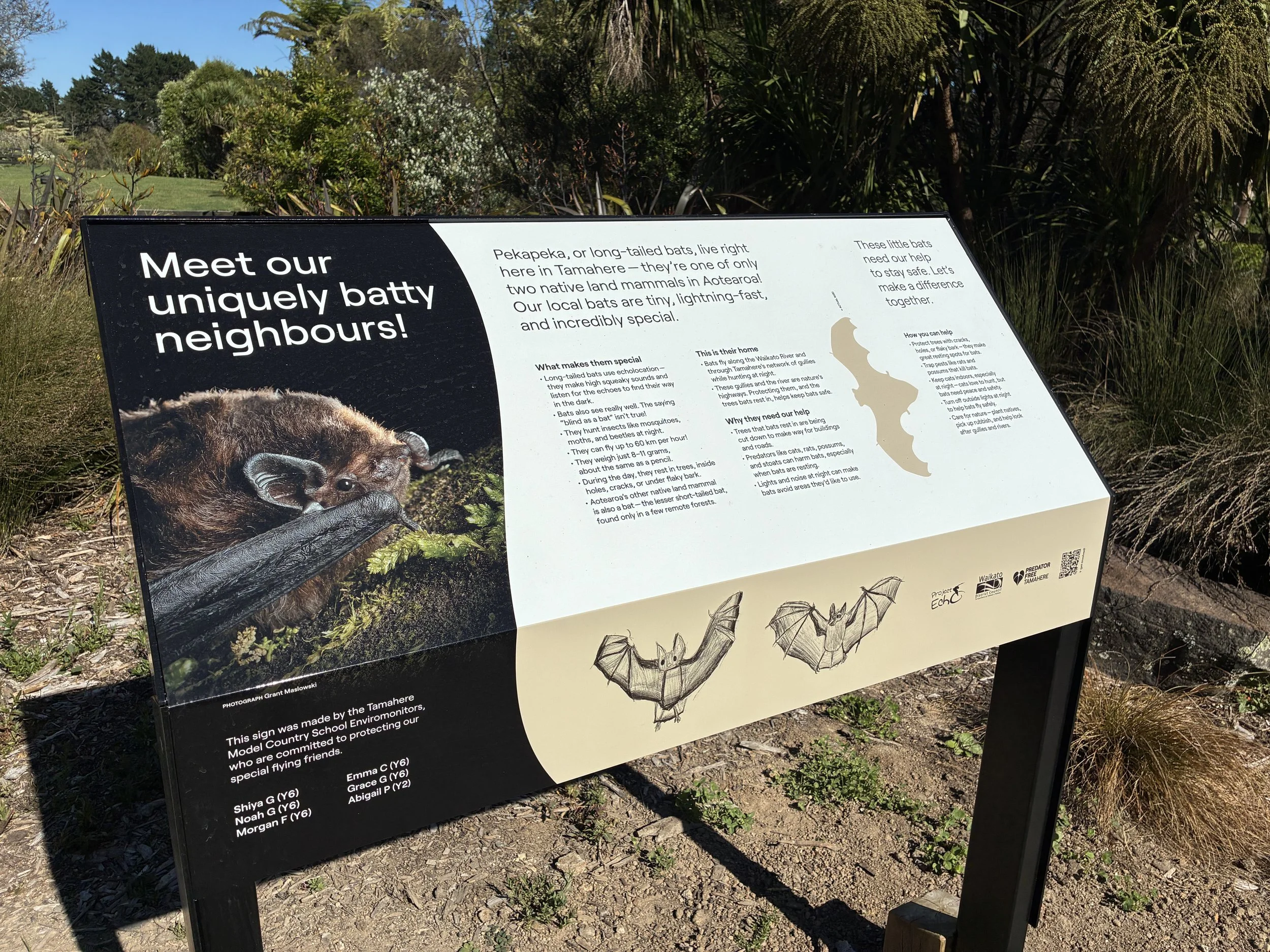
Tamahere Bat Sign
From student artwork to permanent signage, the new bat sign in Tamahere highlights the presence of long-tailed bats and the community effort behind making our special neighbours more visible.
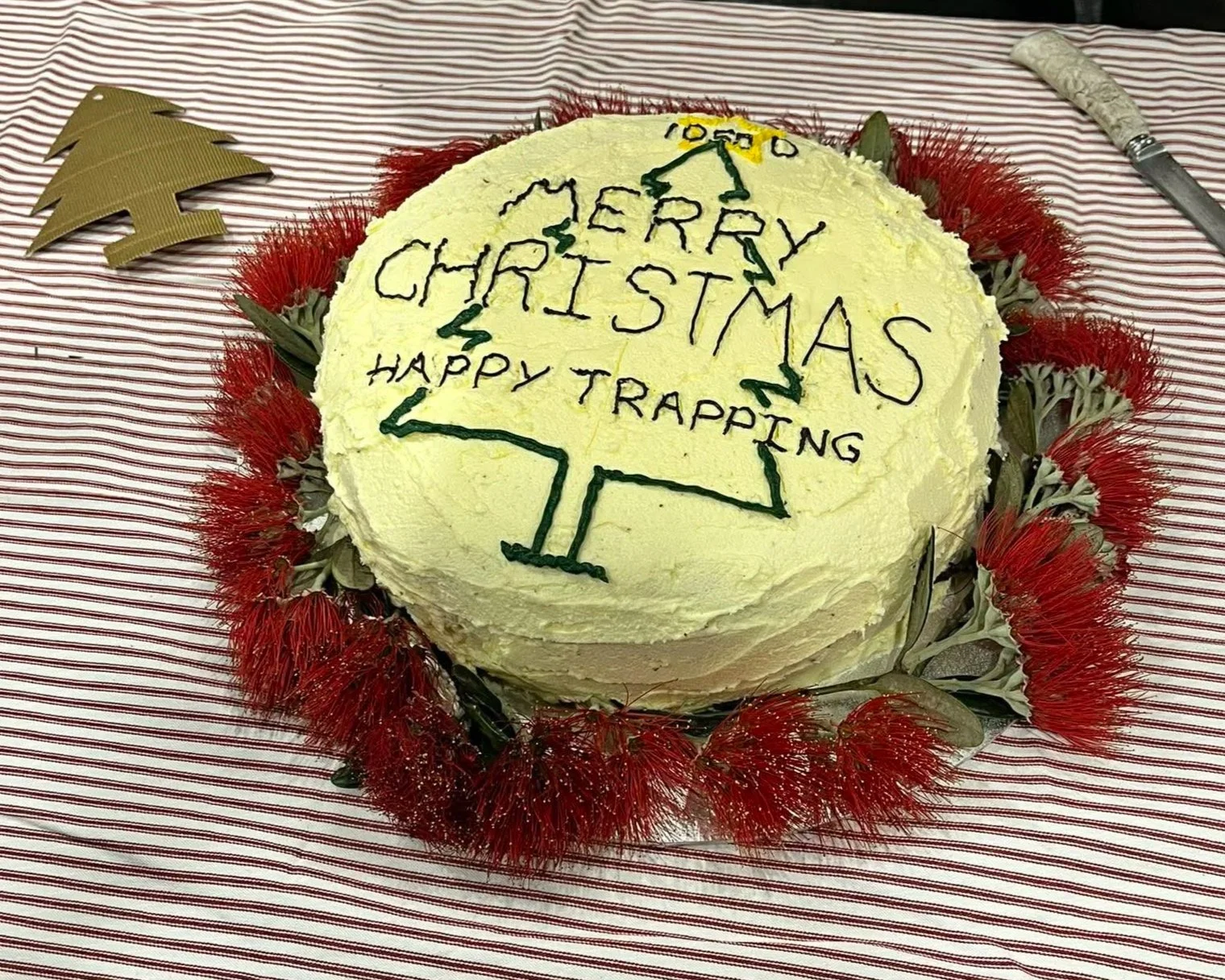
Bird AI with Len Trigg
Bird-song AI, good company and cake — our December gathering with Len Trigg marked our 10,000th pest removed and another strong year for Predator Free Tamahere.
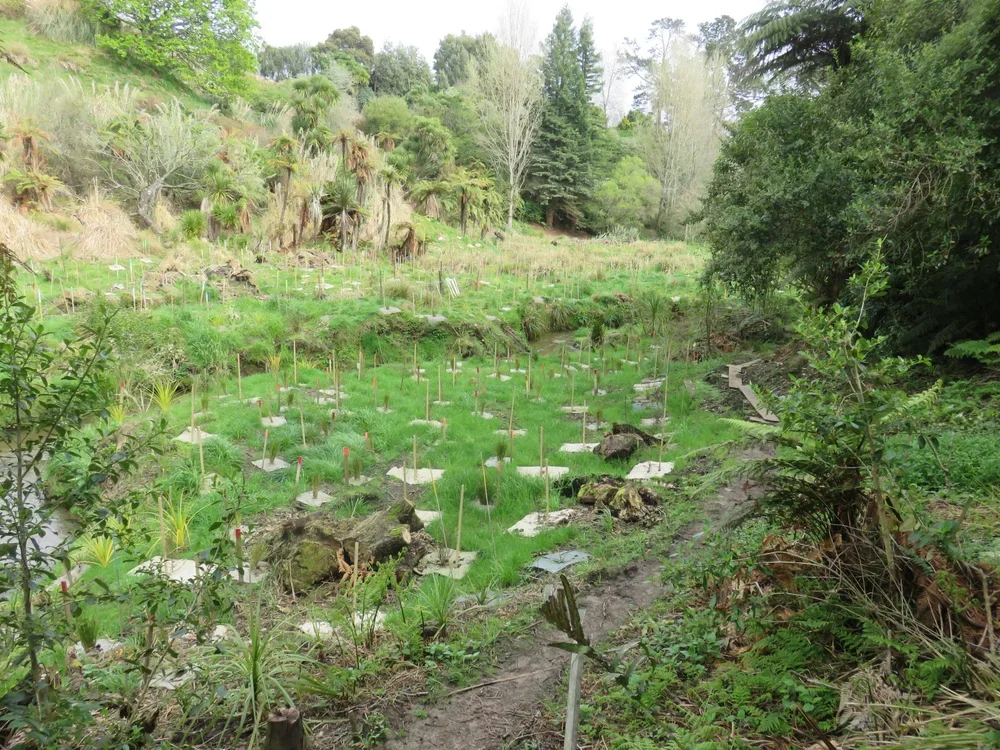
Gully Restoration & Walkways
Years of restoration planting and new gully access are helping improve habitat and support wider conservation efforts in Tamahere.
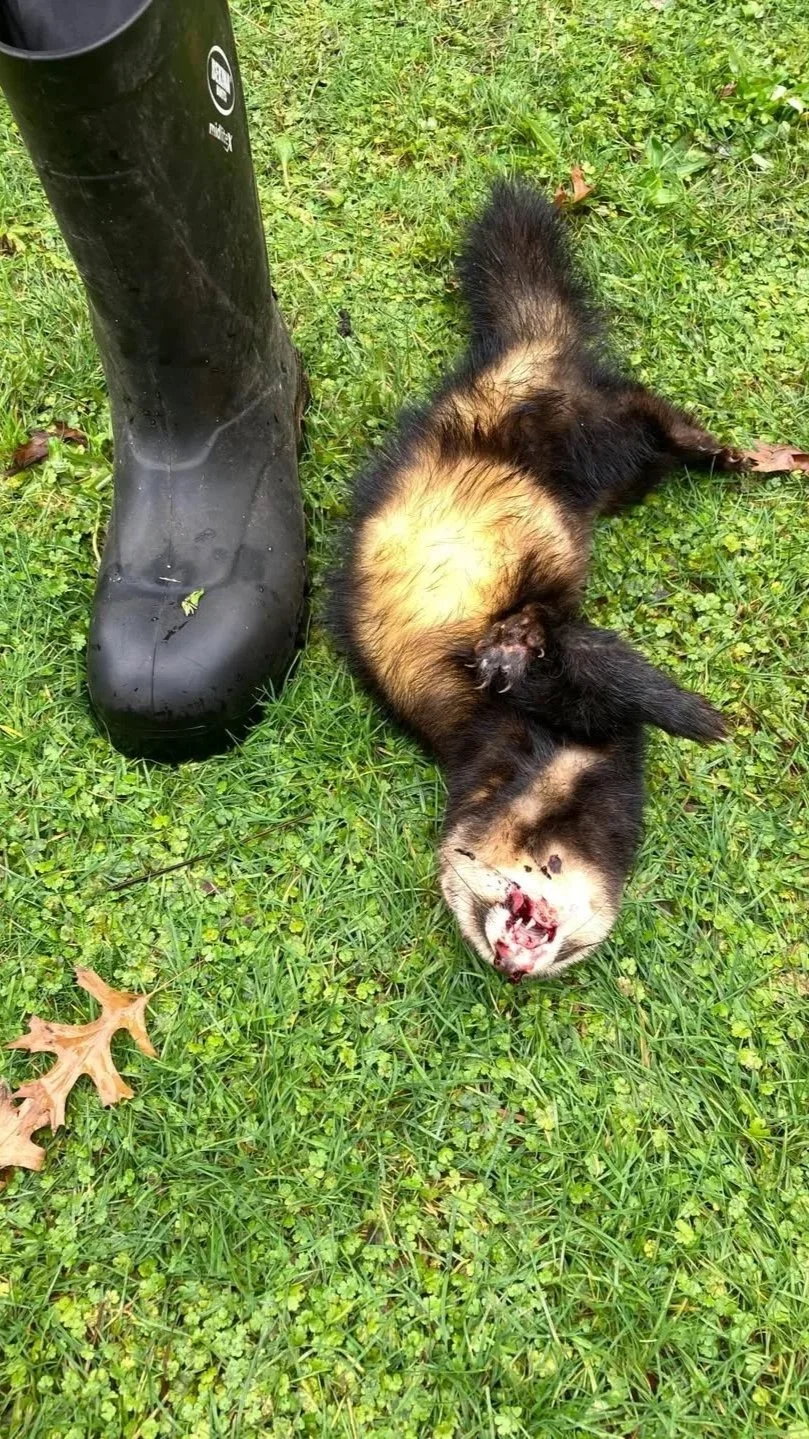
Ferrets in Tamahere
Recent ferret sightings in Tamahere are a timely reminder that these predators pose a serious risk to wildlife — and that well-placed well-maintained traps work.
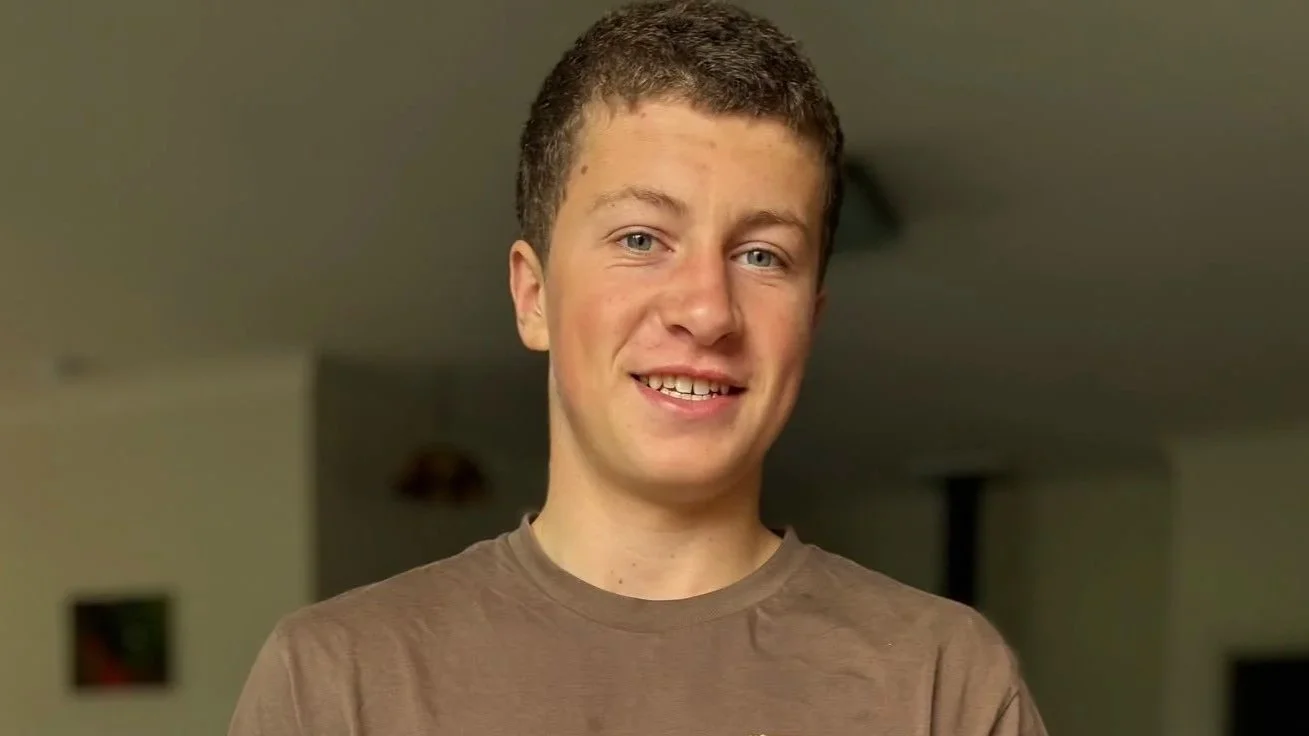
Quiet consistency in the gully: meet Ollie
Ollie has quietly checked the Mangaharekeke gully trapline since 2023. His steady mahi helps keep predator numbers low and gives local wildlife a better chance.

Kākā Calling!
Recent kākā sightings in Tamahere indicate more young birds exploring before nesting —please report any sightings to the Waikato kākā project or contact us to share the details!

Strengthening Predator Control in the Mangaharakeke Gully
SSCIF support from Waikato Regional Council has strengthened predator control in Tamahere’s gullies, supporting native wildlife alongside restoration planting.
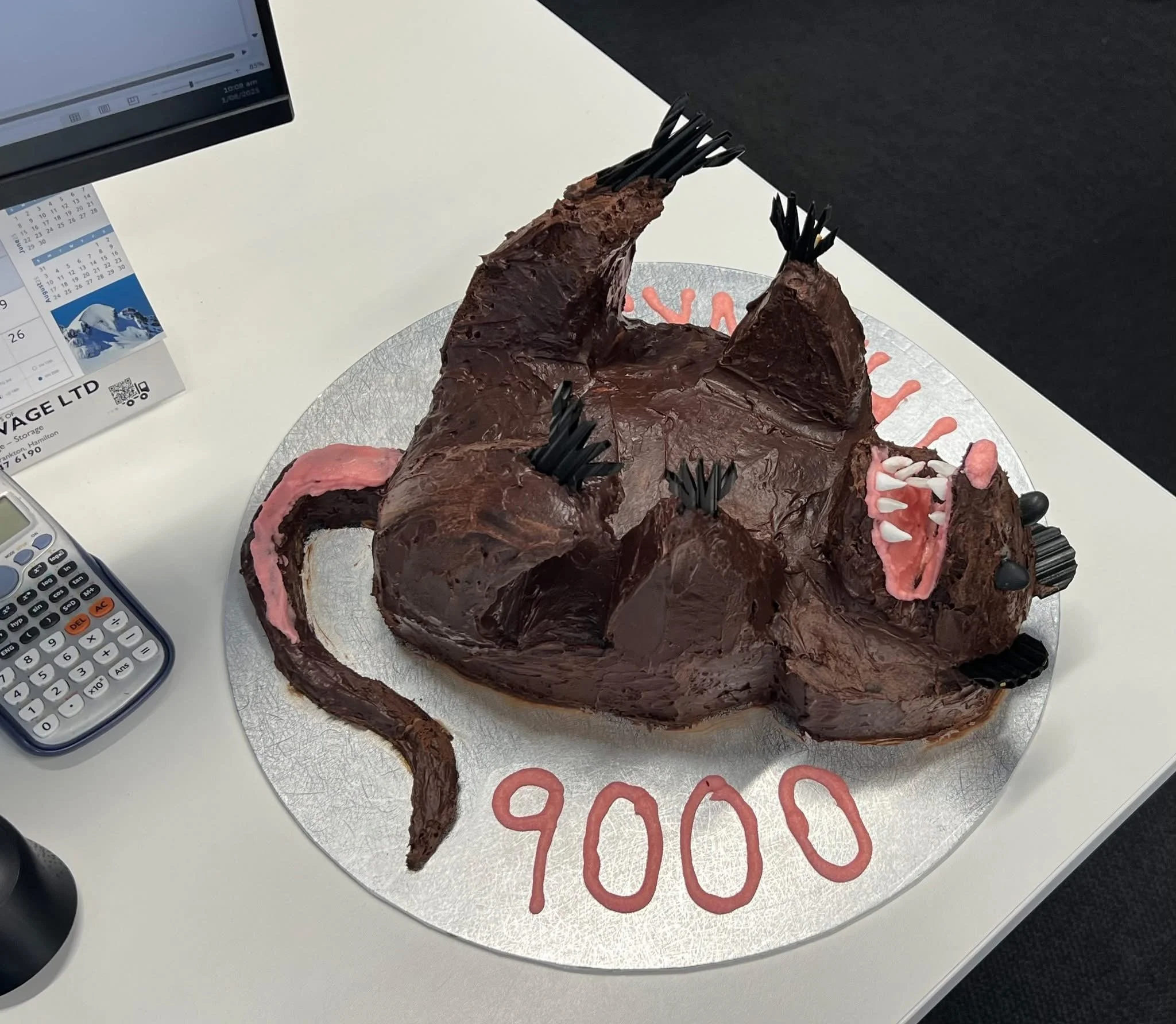
Fulton Hogan Partnership Hits 9000th Pest!
Our partnership with Fulton Hogan’s Waikato team has been a huge success, with five AT220 traps along the Waikato Expressway removing 647 pests - including our 9000th catch!

Jeannie Logs Our 8000th Pest!
We’re excited to celebrate another Predator Free Tamahere milestone - removing 8000 pests!

Invasive Plants with Annemarie Robb
We celebrated 7,000 pests removed at our end-of-year event, with insights from Annemarie Robb on tackling invasive plants like Tradescantia and a stunning bat-themed cake from Robyn to mark the milestone!