
Practical Tips & Guides
Looking for practical ways to help nature around Tamahere? This page brings together useful local guides, troubleshooting advice and seasonal tips on predator control, native planting and biodiversity.
Just picked up a T-Rex rat trap? T-Rex trapping tips →
For broader lifestyle-block advice, see Predator Free NZ’s lifestyle block predator-control guide.
Not sure where to start? Visit Getting Started.
Already trapping and looking to improve your setup? Visit Already Trapping.
Still unsure? Contact Us for practical local advice.
Predator Control Tips
-
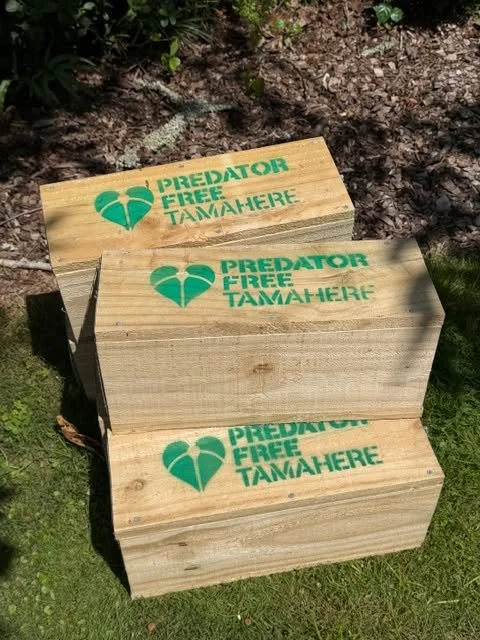
Winter Rat Control
Seeing more rats and mice this winter? Winter is one of the best times to get on top of rodent numbers before spring nesting season begins.
Read: Winter Rat Control
-
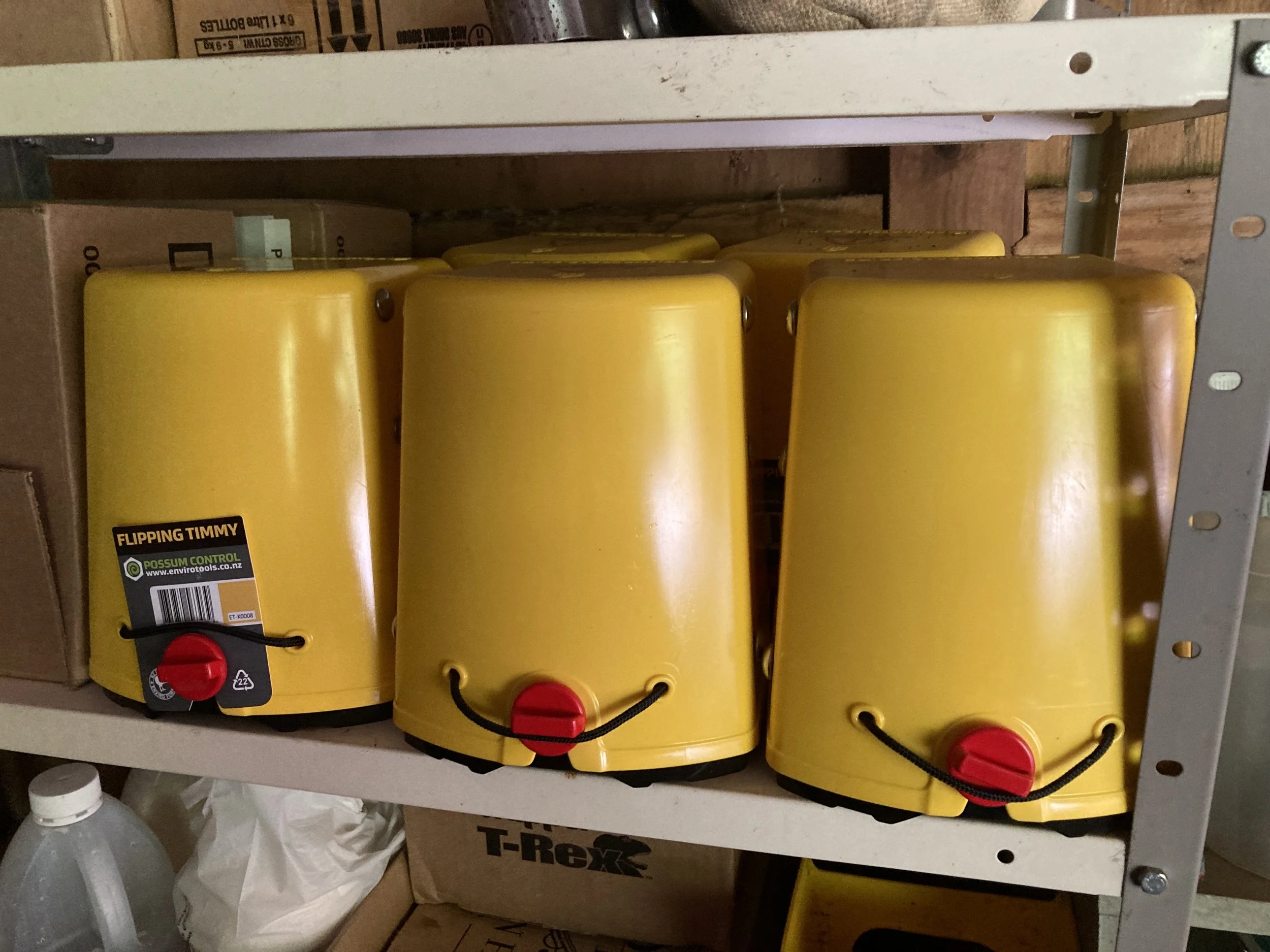
Trap & Bait Information
Looking for information on traps, bait stations, or getting started with predator control?
Visit our Trap & Bait Information page for practical advice and local resources.
-
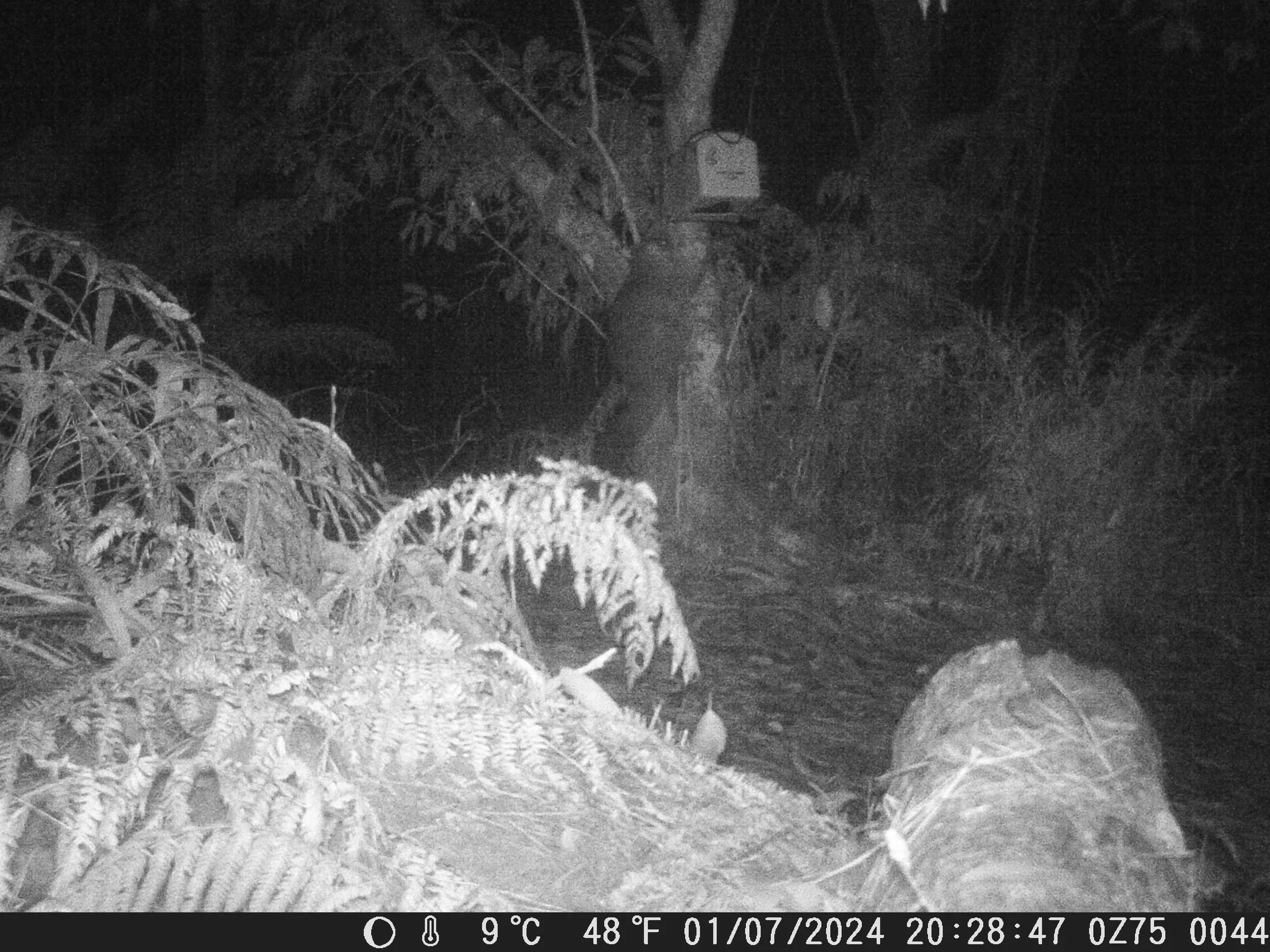
Trap-Shy Possums
Possums walking straight past your traps? You're not alone. Some possums become surprisingly trap shy, but a few small changes to trap placement & bait can make all the difference.
-
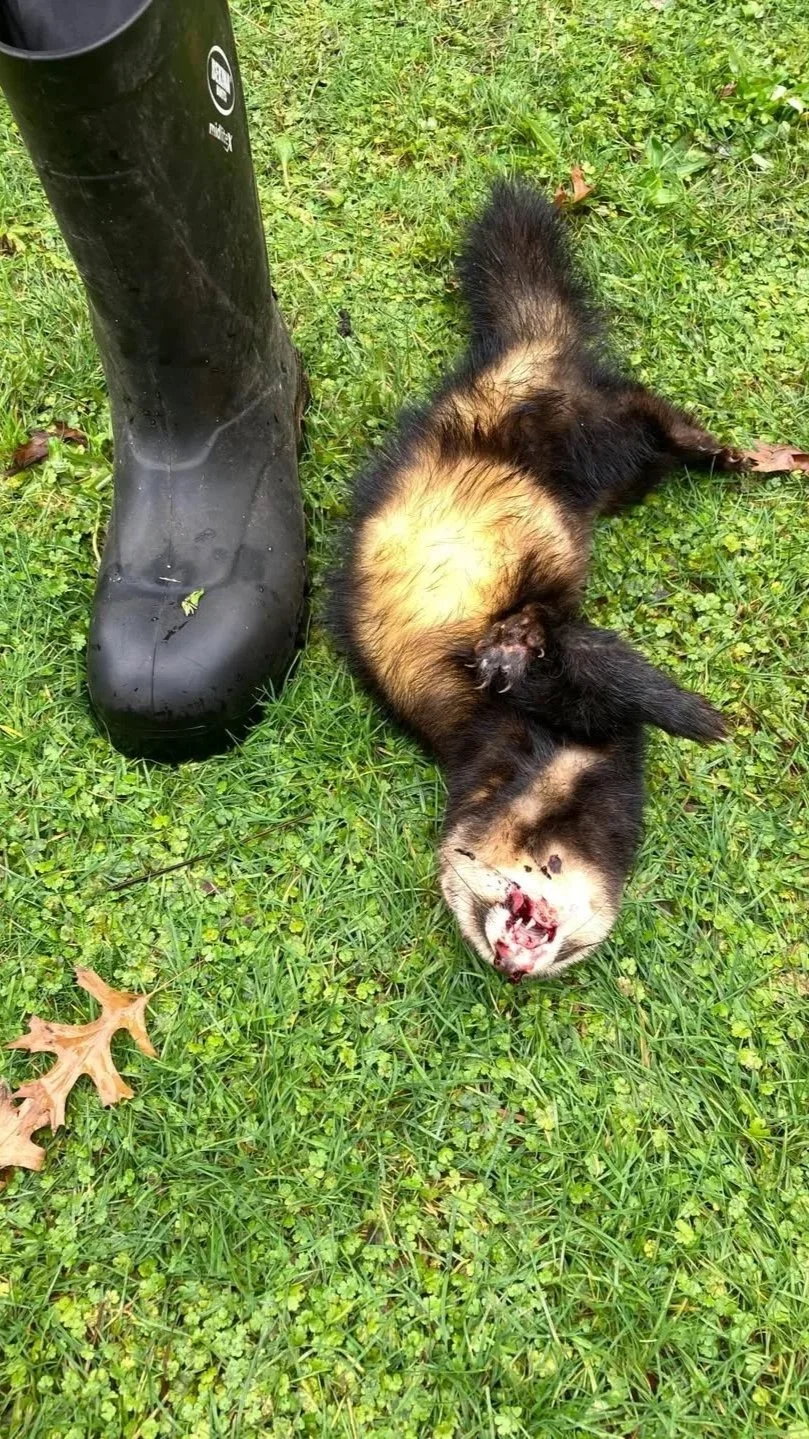
Ferrets in Tamahere
Ferrets are serious predators and occasional local captures show why early reporting matters. Knowing where they’re seen helps us target trapping quickly.
Read: Ferrets in Tamahere
-

Getting the Most Out of Your AT220 Trap
Tips on getting the best performance from your self-resetting trap.
-

Rat Control: The Art of Bait Pulsing
A simple technique that can improve rat control and reduce waste. Learn when and how to pulse bait for the best results.
Read: Pulse Baiting
Habitat & Biodiversity
-
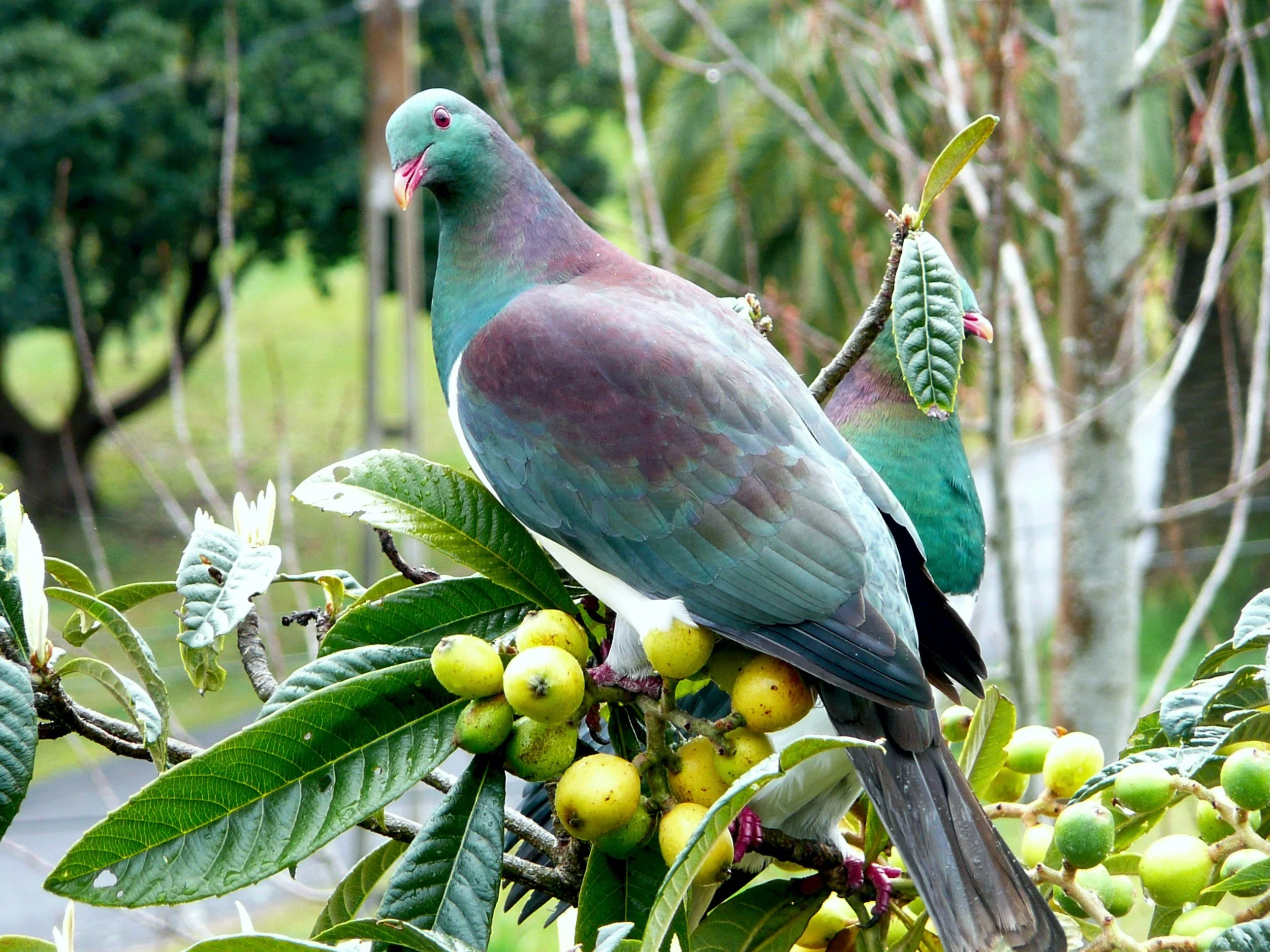
Planting for Kererū
Want to see more kererū in your garden? Planting a range of food plants can help provide fruit, flowers and foliage at different times of year.
Read: What to plant for kererū
-
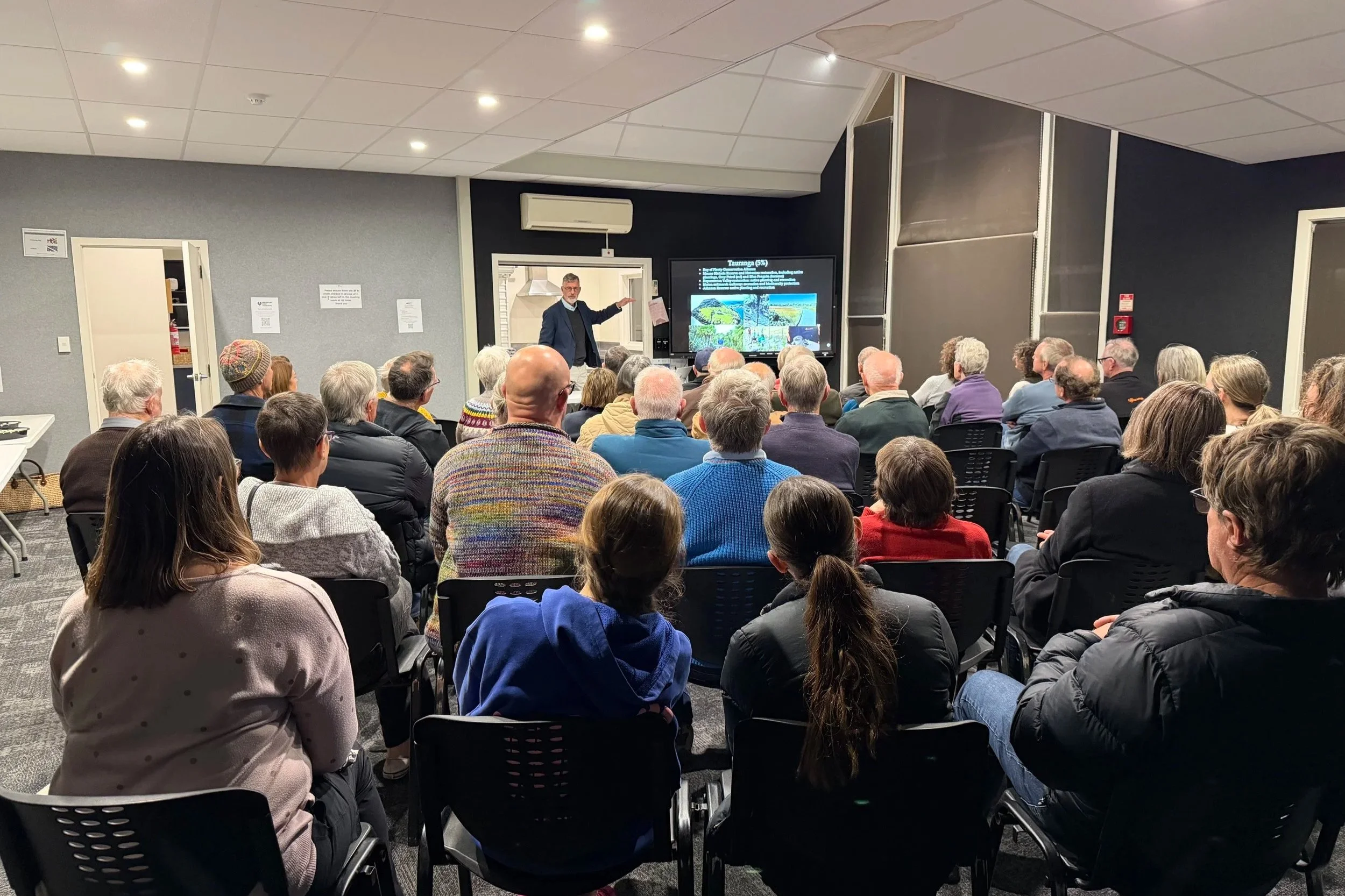
Rebuilding Nature in Tamahere
What makes native planting different from simply adding more green space? Practical ideas for gardens and gullies, from getting started to what comes next as plantings mature.
Monitoring & Outcomes
-

Track Your Traps with Trap.NZ
Trap.NZ is a free online tool for recording traps, catches and biodiversity outcomes. It helps you keep track of your efforts and helps us understand predator control across Tamahere.
Join our Trap.nz project
-

Monitoring & Outcomes
Trap catches, pest sightings, bird activity, bat monitoring and tools like eDNA all help us understand what’s changing in Tamahere’s gullies and streams. Our May 2024 eDNA talk explored how water samples can reveal which species are present.
Read: eDNA Insights
Already doing predator control?
Whether you use Trap.NZ, keep records on paper, use bait stations, or simply check a few traps around the garden, tell us what’s happening at your place.