
When Possums Won't Take the Bait
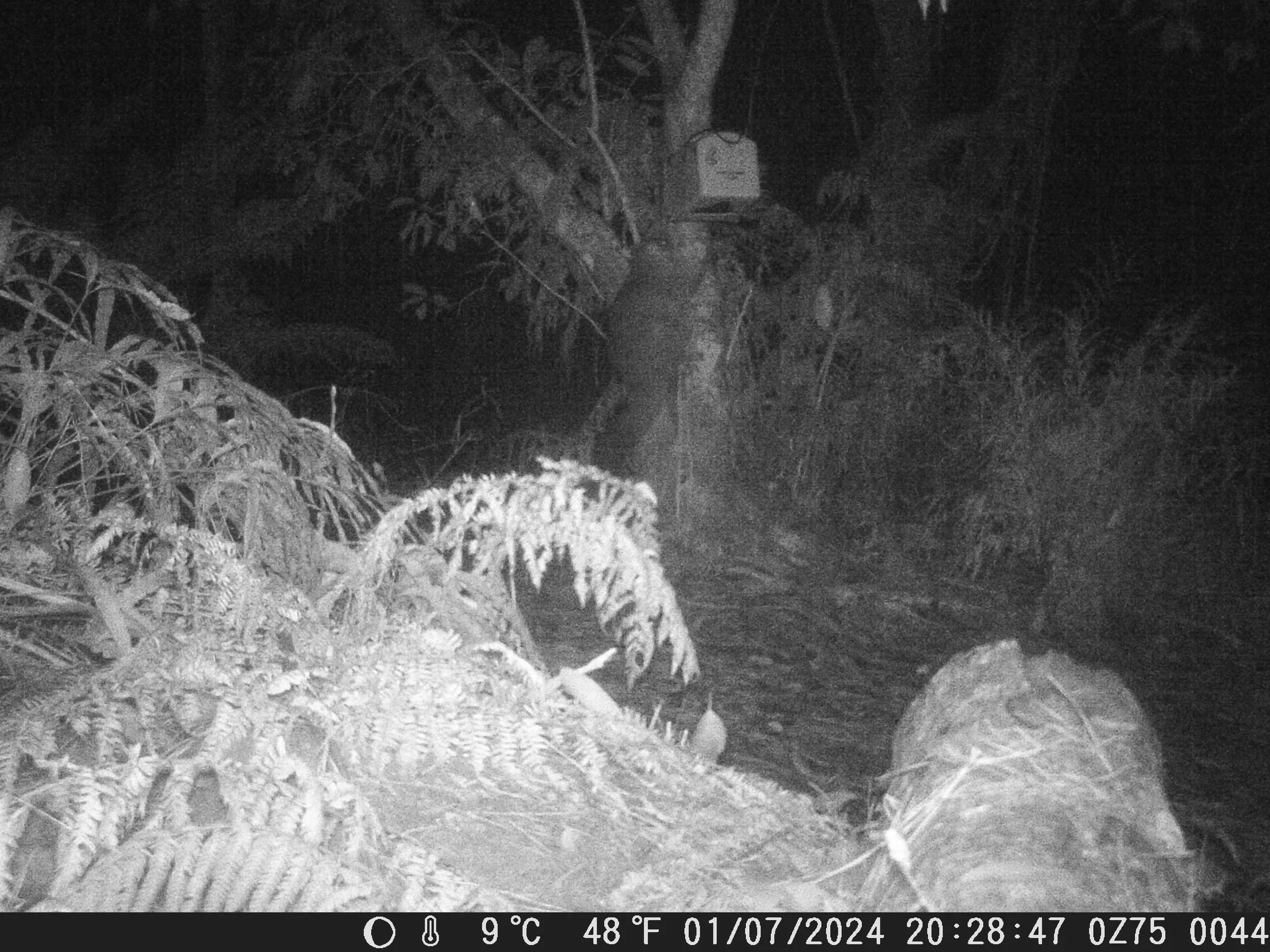
A familiar frustration for many lifestyle block owners – watching a possum investigate a trap and then wander off.
A local Tamahere resident recently asked us for advice about a frustrating problem.
He gets a notification almost every night from his security camera as one or more possums stroll up his tree-lined driveway, help themselves to favourite garden plants, and then disappear into his gully. The problem? They’re walking past both his possum traps, with nothing but a brief sniff, despite trying a wide range of different baits.
If this sounds familiar, you're not alone. Some possums become surprisingly trap shy.
Why does this happen?
Older possums may have previously encountered traps or simply become cautious with age. Sometimes they investigate a trap, have a sniff, and decide it’s not worth the risk.
The good news is that there are a few things worth trying.
Think like a detective
Security cameras are becoming one of the most useful pest-control tools on lifestyle blocks.
The footage can show you:
exactly where possums are travelling
what time they’re active
what they’re eating
whether they’re approaching traps
and whether they’re simply inspecting them and wandering off.
Sometimes the best clue is not the trap at all, but the food source the possums are already visiting.
Try pre-feeding
One useful trick is to leave the trap unset for several nights with fresh bait inside. Let the possums become comfortable visiting it before setting the trigger.
This can be particularly helpful for cautious possums that sniff and move on.
Put the trap where the possum wants to be
Experienced trappers often say that the possum will tell you where to put the trap.
If a possum is regularly visiting a particular tree, garden bed or fruiting plant, consider moving the trap closer to that location or along its route back into the gully.
Sometimes the best bait may simply be whatever the possums are already eating.
Think vertically
Possums are natural climbers and may feel more comfortable approaching a trap mounted on a tree or fence post than one sitting on the ground.
Adding a branch, a wooden ramp or a natural “runway” leading towards the trap can encourage possums to approach it more confidently.
Make the trap stand out
Possums are naturally curious, so a small visual cue can sometimes help.
Experienced trapper Cam Speedy recommends making a vertical “blaze” of plain flour on the tree and also around the trap area. The bright white patch stands out at night and can encourage possums to investigate.
Freshen things up
Try changing the bait regularly or using a different lure altogether. Fresh apple, pear, peanut butter, cinnamon lures and commercial possum pastes all have their fans.
If a trap has been ignored for weeks or months, try moving it. Sometimes shifting a trap only a few metres, refreshing the bait, or changing the approach angle can make a surprising difference.
Consider multiple approaches
On larger lifestyle blocks, some people use a combination of trapping methods and occasionally other control techniques where it is safe and lawful to do so. Any method involving firearms needs careful consideration of neighbours, buildings, roads, livestock and local circumstances.
Persistence pays off
The final piece of advice? Don’t take it personally.
Possums are curious, intelligent animals and some individuals can be surprisingly difficult to catch. Often it’s a case of changing one thing at a time, observing what happens, and being prepared to experiment.
Have you found something that works for trap-shy possums? We'd love to hear it! Some of our best practical tips come from conversations with local trappers.
