

Already trapping in Tamahere?
If you’re already trapping, baiting or using other pest control on your property, thank you. Your effort is part of the wider predator-control coverage helping protect Tamahere’s gardens, gullies, waterways and native wildlife.
We’d also like to know where predator control is already happening, even if you don’t use Trap.NZ or record every catch. This helps us understand local coverage, identify gaps and offer support where useful.
Keep it simple and effective
Good predator control doesn’t need lots of equipment or constant work.
A simple, well-maintained setup that suits your property and can be kept going over time is usually more useful than adding more traps before you know what works on your place.
Focus on places where pests are already likely to move or feed — around sheds, compost, chicken coops, fruit trees, fence lines, shelterbelts, gullies, streams and bush margins.
When trapping gets frustrating
Quiet traps are normal. You may see droppings or other pest sign but catch nothing, lose bait, or find that a trap which worked well for a while suddenly goes quiet.
That doesn’t necessarily mean you need another trap. Often a small change helps:
move the trap to a more active pest-travel route
refresh or change the bait or lure
remove competing food such as chicken feed or fallen fruit
check that the trap is stable, clear and working properly
try a different trap if the pest you’re seeing isn’t suited to your current setup
Predator control involves some trial and error. Learn what is happening on your property and adjust as you go.
For more troubleshooting ideas, visit our Practical Tips & Guides.
Three useful next steps
-
A few small changes can often improve results:
place traps where pests already travel
keep traps and bait stations stable, clean and easy to enter
keep grass and vegetation clear from entrances
refresh bait or lure regularly
secure chicken feed, pet food and other easy food sources
check more often when you notice fresh pest activity
move a quiet trap if another location looks more promising
Rat and possum traps can also work well together in gullies, bush blocks and other high-traffic areas. Rats often take possum lure, so placing a rat trap nearby may improve results.
If you use bait, always use secure bait stations, follow label instructions and consider pets, livestock, neighbours and non-target wildlife.
-
Different properties need different approaches.
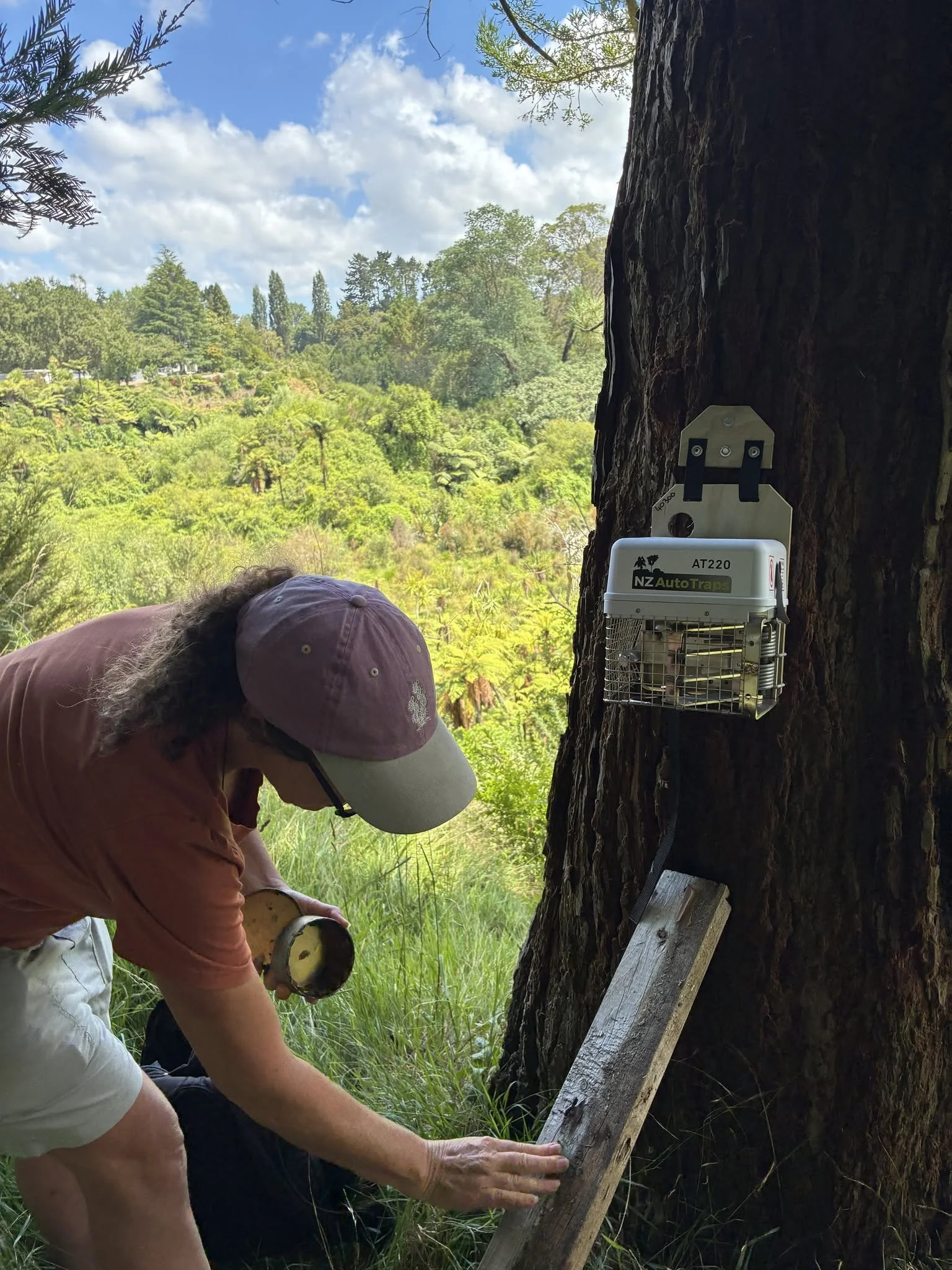
Possum traps, bait stations, DOC200s and self-resetting traps such as AT220s may be useful on larger blocks, gullies, river edges or sites that are difficult to check regularly.
If you’re considering an AT220, Predator Free Tamahere may be able to offer a short trial on a suitable Tamahere property before you decide whether to buy one.
Contact us about an AT220 trial
If you’ve seen a stoat, ferret or weasel, please contact us for advice and to ask about borrowing a DOC200 trap.
-
You don’t need to record every catch to contribute to the wider picture.
Trap.NZ is useful if you’re happy to use it, but it’s optional. You can also simply tell us:
roughly where you’re trapping or baiting
which pests you’re targeting
occasional or approximate catch numbers
pest sightings or signs
whether you’d like advice
That helps us understand where predator control is already happening and where there may still be gaps.
When to get in touch
Contact us if you:
have a trap that isn’t performing as expected
are considering an AT220
have seen stoats, ferrets or weasels
would like help with trap choice or placement
want help joining or using Trap.NZ
are happy to share what predator control is happening on your property
Useful resources
PFT Practical Tips & Guides — troubleshooting, seasonal advice and ways to improve results
PFT Traps & Bait Guide— common trap and bait options used locally
Join our Trap.NZ project- for those who want to record traps and catches.
Predator Free NZ: Golden tips for predator control on farms - Practical advice based on keeping predator control manageable and consistent.
Predator Free NZ: Trapping and baiting guidance for farms and lifestyle blocks - Broader advice for larger properties.